How to Avoid Altitude Sickness on Everest Base Camp Trek
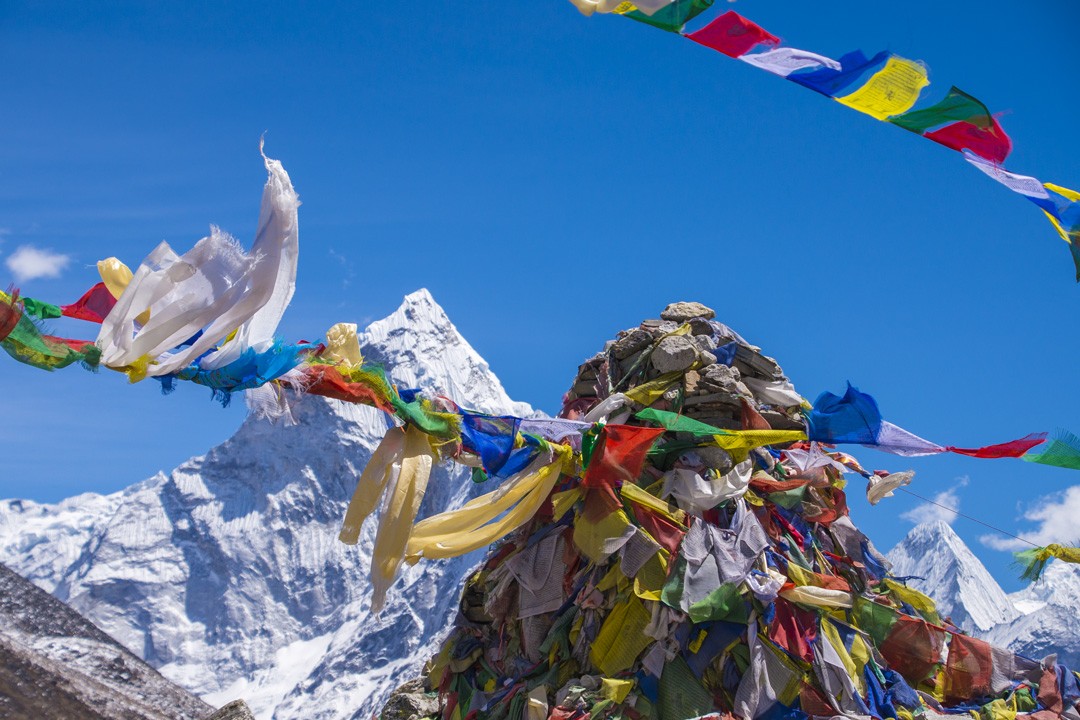
One of the most rewarding yet challenging expeditions in the world ranks right to the top: the trekking gear, one and only Everest Base Camp trek packages . The air is thinner and oxygen-poor in the high Himalayas, so trekkers must fight for every breath, struggling to maintain equilibrium on their own, fighting against themselves even. Without preventing these effects, altitude sickness may occur.
Whether you arrive in a helicopter or on foot, for many it is the dream destination, and learning how altitude works and how it affects your body is an essential first step to making it safely. Trekking in Nepal can be savored to the fullest without stressing the health of trekkers, provided plans are well made and awareness about what they need to do is generated.
Give Your Body Time to Adjust
The secret to preventing altitude sickness on the Mount Everest Base Camp trek is acclimatization. The higher you go, the longer time your body takes to adjust, and the more the production of red blood cells that aid in oxygen transport increases. A lot of plans are good; well-planned itineraries will include the acclimatization days in the topmost places, such as Namche Bazaar and Dingboche. The rest days you have planned will safely start to acclimatize your body slowly. Rushing the Everest Trek might be tempting, but taking it easy also happens to be one of the least dangerous ways to do a successful Himalayan trek.
Slow walk and steady speed
First-time trekkers feel they have to fast up to Everest Base Camp; slow and steady is the way (21). But trekking at high altitudes involves a lot of patience because your body works hard with every step. At the same time, if you’re moving too quickly, your heart and lungs will come alive but in an inefficient manner that increases the potential for experiencing high-altitude symptoms.
The well-experienced guides typically encourage the trekkers to go for a continuous pace and take short rests most of the day. This way your body adapts naturally through experience on ground level, and you need not stress, as one can simply appreciate the views of these magnificent mountains all around.
Drinking the Right Way while Trekking
Proper Hydration—This can help reduce the risk of dehydration, which is far more likely during a high-altitude trek to Everest Base Camp since fluid loss through breathing and exertion are both substantially greater at altitude. A day needs to pass with drinking three or four liters of water in order to not miss circulation in the acclimatization process.
We can also add warm herbs & nourishment to your daily fluid intake, such as tea or soup during cool nights to provide comfort. Trekking: drink enough to start over, hydrate, and do not use it to be thirsty for trekkers, so the process we complete around Nepal is trekking.
Great performance needs quality sustenance
The Everest Base Camp Trek burns more calories than your body craves walking at high altitude, since trekking develops. Carbohydrate-rich meals are readily available for the amount of energy they supply, thus assisting physical performance along with adaptation. In mountain tea houses, basic dishes like rice, potato or pasta, vegetables & hot soup are quite common to be found and good options for trekkers. Your energy will decrease if you eat junk food or skip meals; also, it would provide challenges at high altitudes. The importance of nutrition is one of the key factors if you want to succeed in every trek in the Himalaya.
Recognize the Symptoms of Altitude Sickness
At this time, trekkers must be aware of the possible initial indicators and symptoms of altitude sickness to take action before the disease advances. Common warnings of inability (fairly less adaptable) include minor headaches, a little dizziness, loss of appetite, fatigue/sluggishness/slowness/tiredness because of deuterated blood groups frequently seen in nausea, etc., and sleep disorders.
Whether the symptoms seem small or big, one must never ignore these. You are encouraged to inform your guide at the earliest so that necessary actions can be taken in the form of resting, slowing down the ascent, or descending (if required). Preventing serious altitude problems when trekking in Everest is early detection, which is the best strategy.
Avoid Alcohol With Smoking at High Altitude
Most of the experienced guides do not encourage alcohol and smoking during the Everest Base Camp Trek, as both prevent your body from acclimatizing. Alcohol can also be dehydrating and may mask the initial symptoms of altitude sickness, making It’s more difficult to recognize that there is a potential problem. Smokers have impaired lungs, so not only is oxygen in short supply to the body, but it’s also a problem while doing high-altitude trekking. It is advisable to go with water, herbal tea, and a healthy diet instead for an almost perfectly acclimatized body doing any physical activity on the journey in the Himalayas.
Get Enough Rest Every Day
Good recovery starts with good-quality rest on the Everest Base Camp Trek. Hours and hours of walking each day at different altitudes puts a huge demand on your body; therefore, quality sleep becomes even more critical. Not getting a good night’s sleep high up is difficult, but maintaining a normal routine and giving time to recover during the day allows us to fill those energy reserves well again for coming days of hikes. Conserving energy that could otherwise go to squandering on tasks that are “required” even after you receive your tea house. Getting sufficient sleep along with proper hydration and nutrition forms the ideal foundation for you to acclimatize well during your experience on the Nepal Trek.
Follow the experienced guide and listen to what they have to say.
Money, local guides coming into your Everest Base Camp Trek are keeping it safe and clean. Understanding High Altitude Trekking: High altitude trekking is not that easy to comprehend, and so professional guides observe symptoms of altitude sickness right from step one and continue carrying out regular monitoring of trekkers throughout the trek.
They know the degrees of acclimatization and what seasons are ideal and how high up in elevation it must be for a crisis or not—your most extreme life is their central goal. They also determine the walk and corrosion and trek sensibly. If you heed their advice, your chances of safely reaching Everest Base Camp will increase massively, and you can really make the most of the entire experience of being in the Himalayas!
Learnings From A Trek — Importance of Staying Alive to Make Memories
Among all the preparatory points to keep altitude sickness at bay while trekking, the Everest Base Camp trek is one of the major ones. Even the fittest trekkers know that arriving at Everest Base Camp is not a sprint—it’s basically a process of giving your body time to adjust.
A careful, phased approach; hydration; good nutrition; and early symptom recognition by yourself and those around you will avoid problems associated with altitude. Coupled with the breathtaking scenery of Sagarmatha National Park, hospitable Sherpa hospitality, and an incredible Himalayan setting—these safety strategies transform an Everest trek into a secure, enjoyable, once-in-a-lifetime experience.